

Skip to content

See what youthrow away.

Waste Warrior Monitor measures food waste with a quick photo, from plate leftovers to kitchen scraps. So you buy less and throw away less.

For healthcare and hospitality · Start with a pilot · Your data stays in the EU

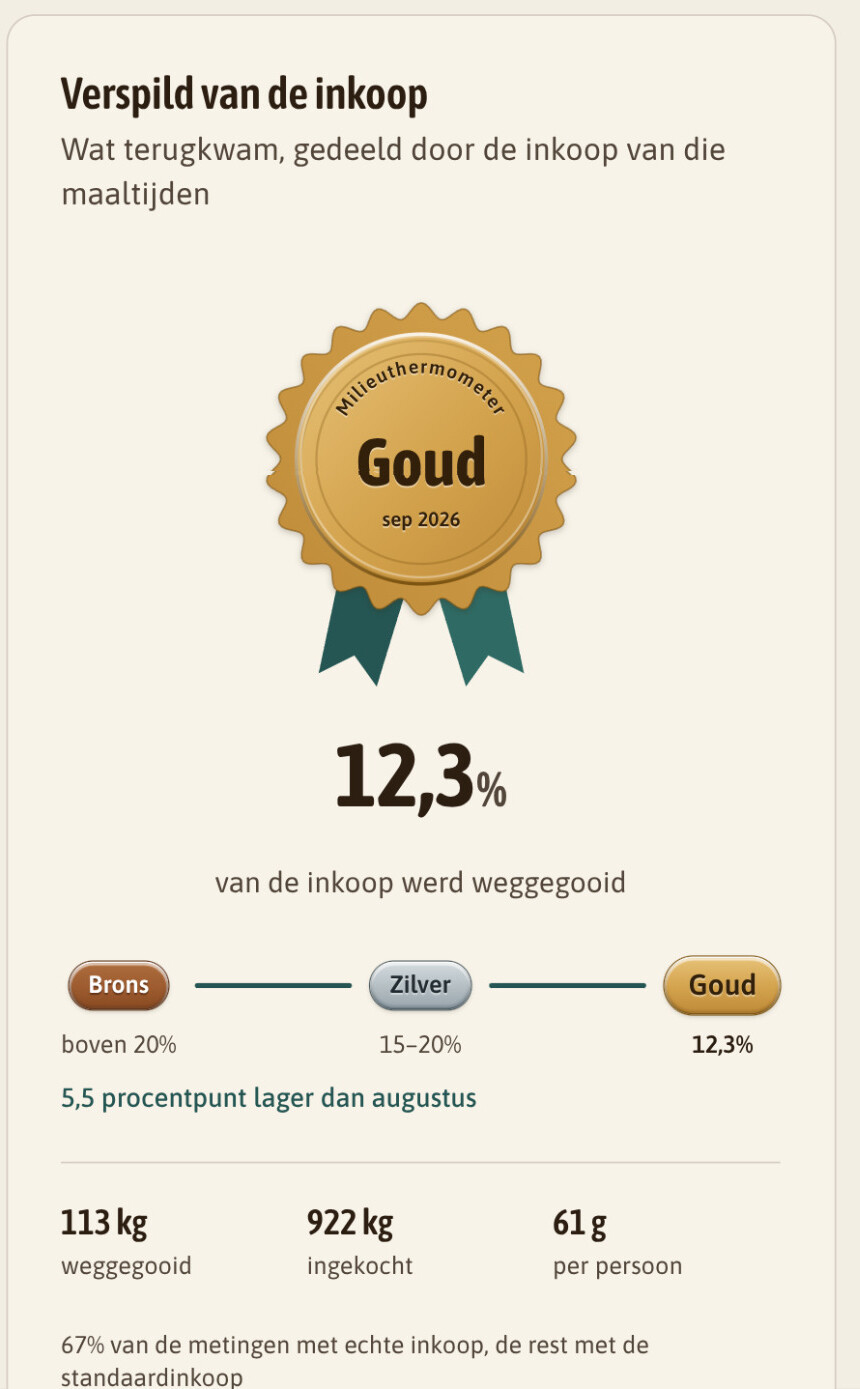
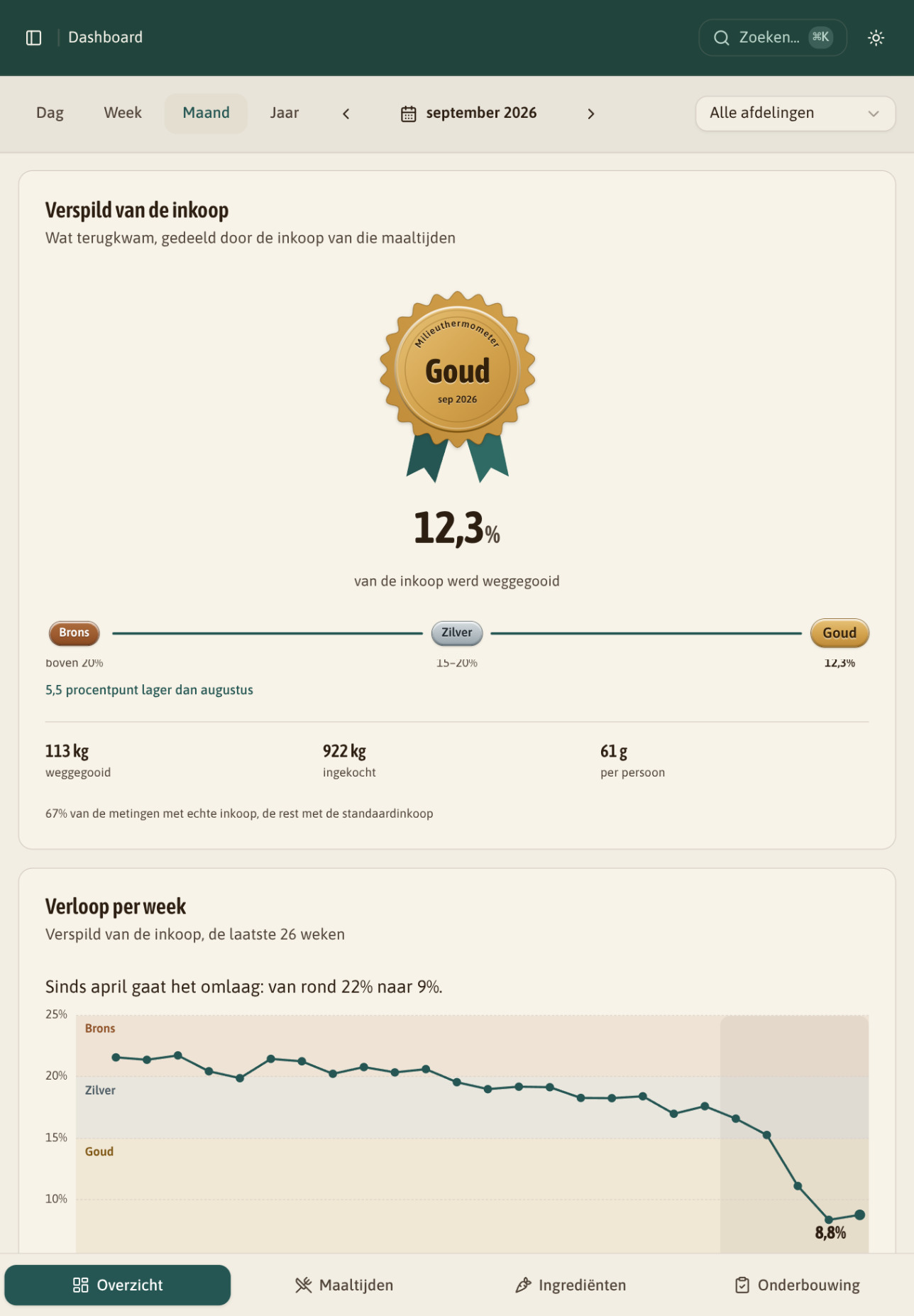
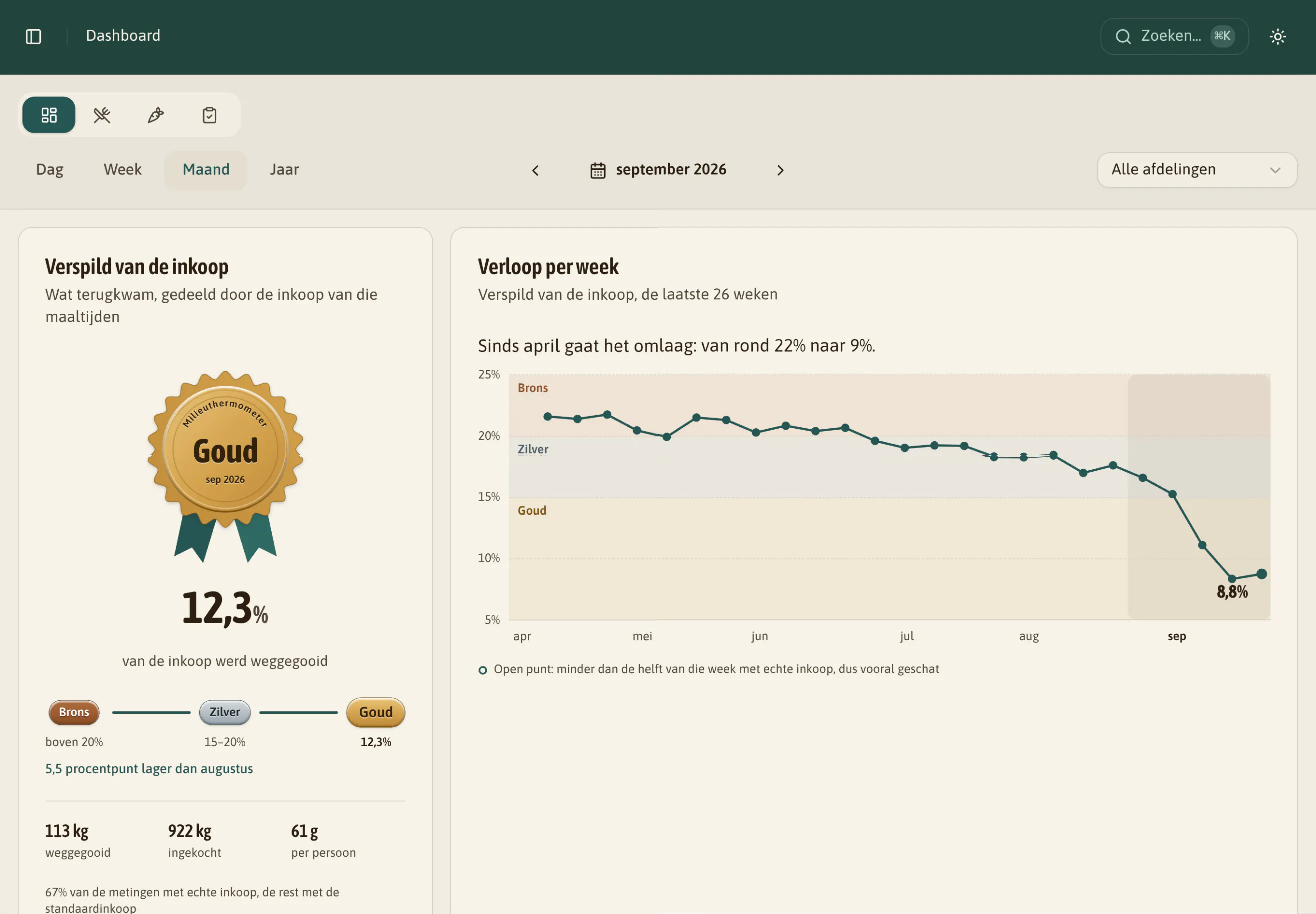
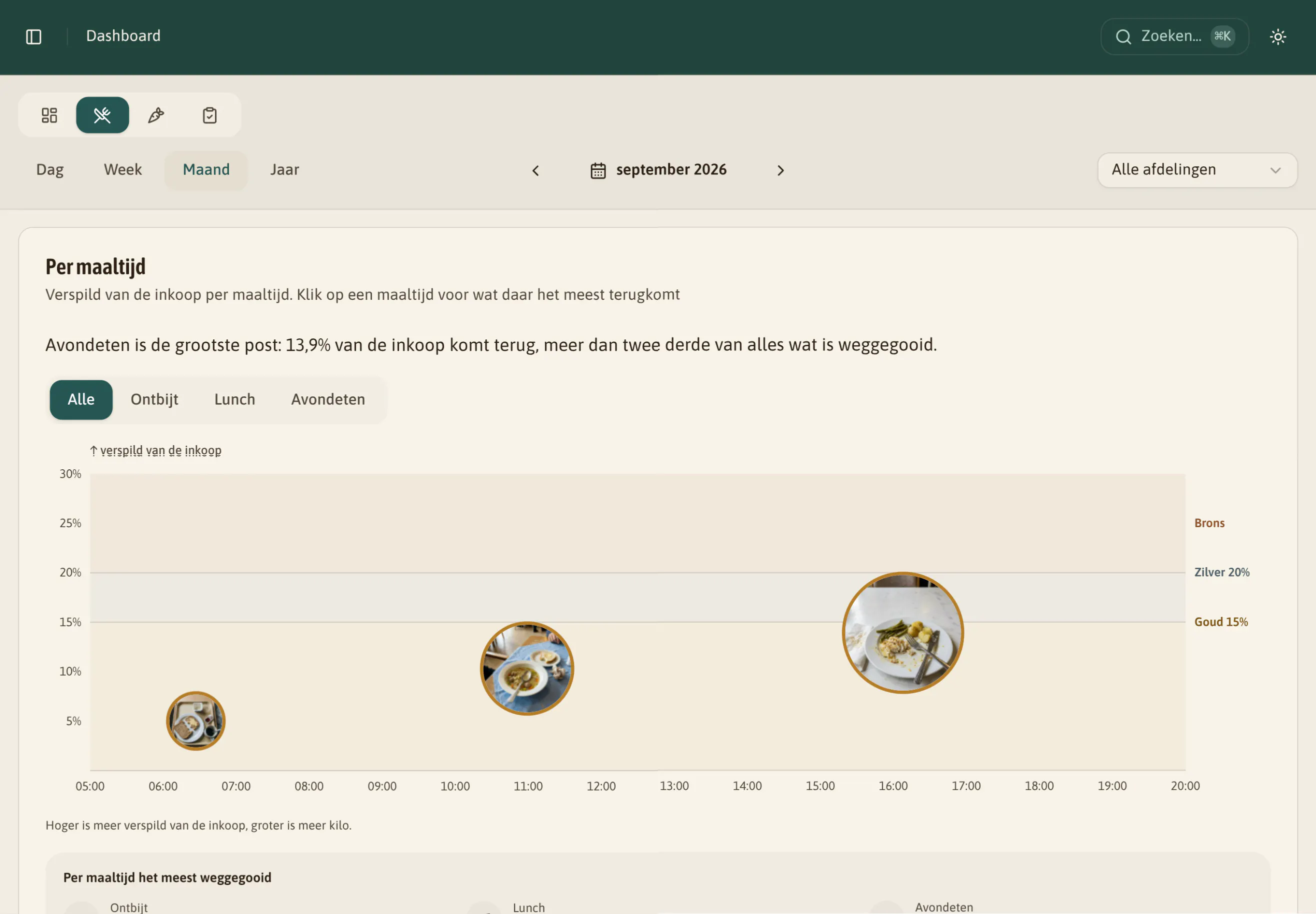
The overview: Gold, 12.3 % of purchases thrown away in September, and the trend per week since April.

One photo.
The AI works out the rest.

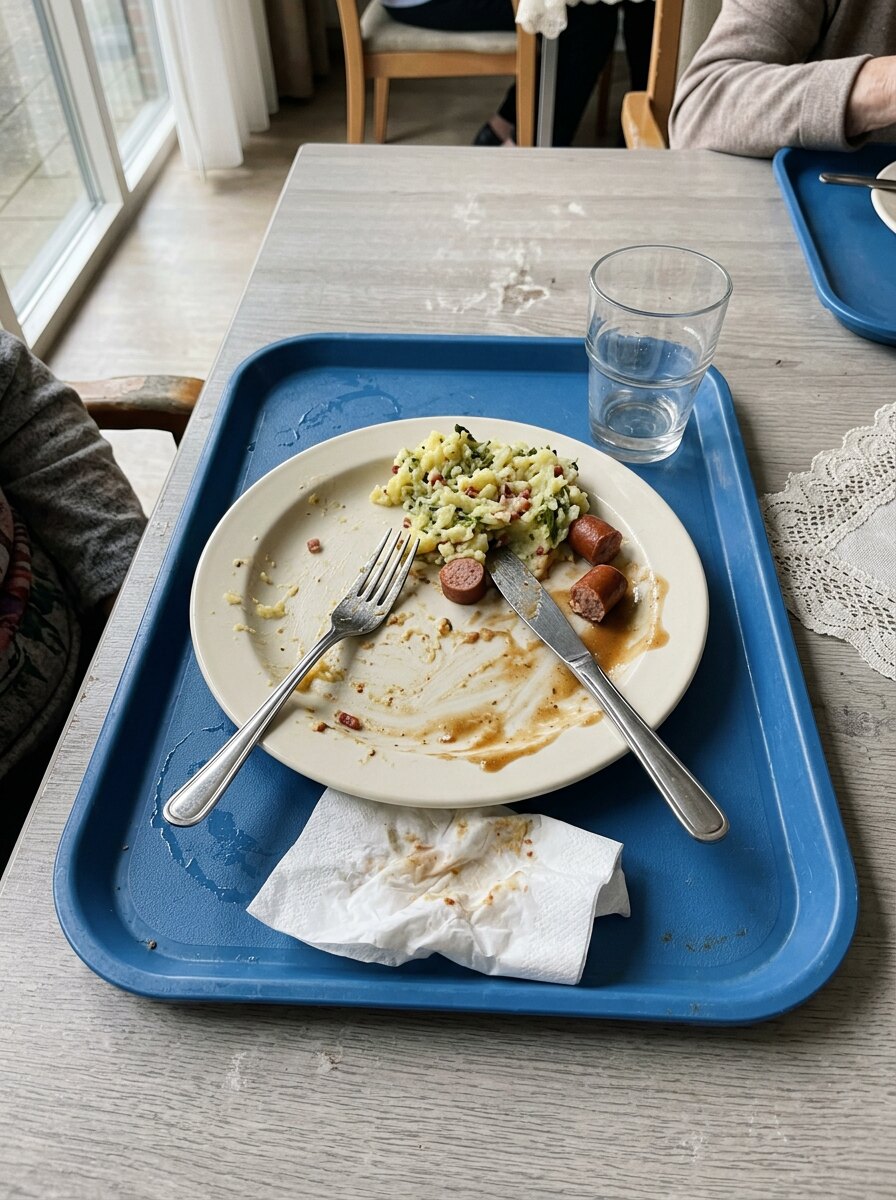
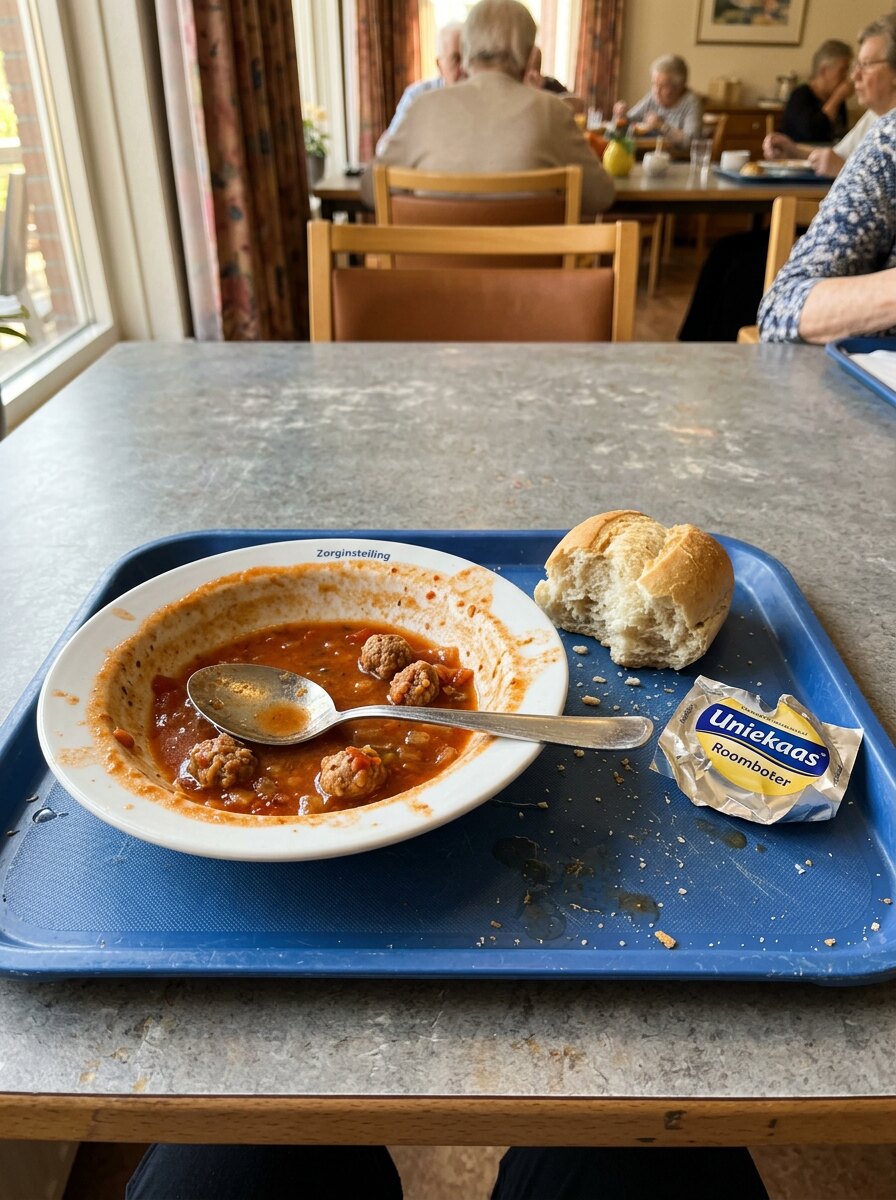
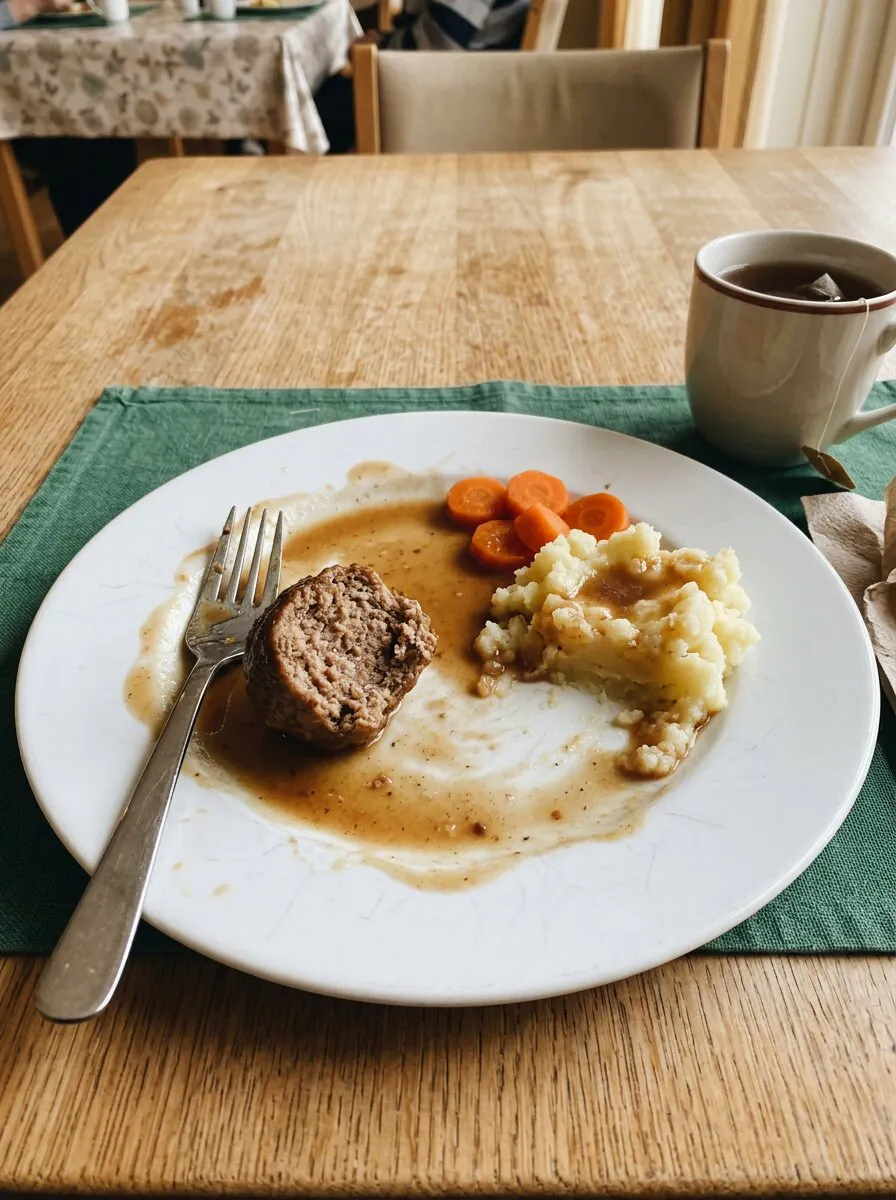
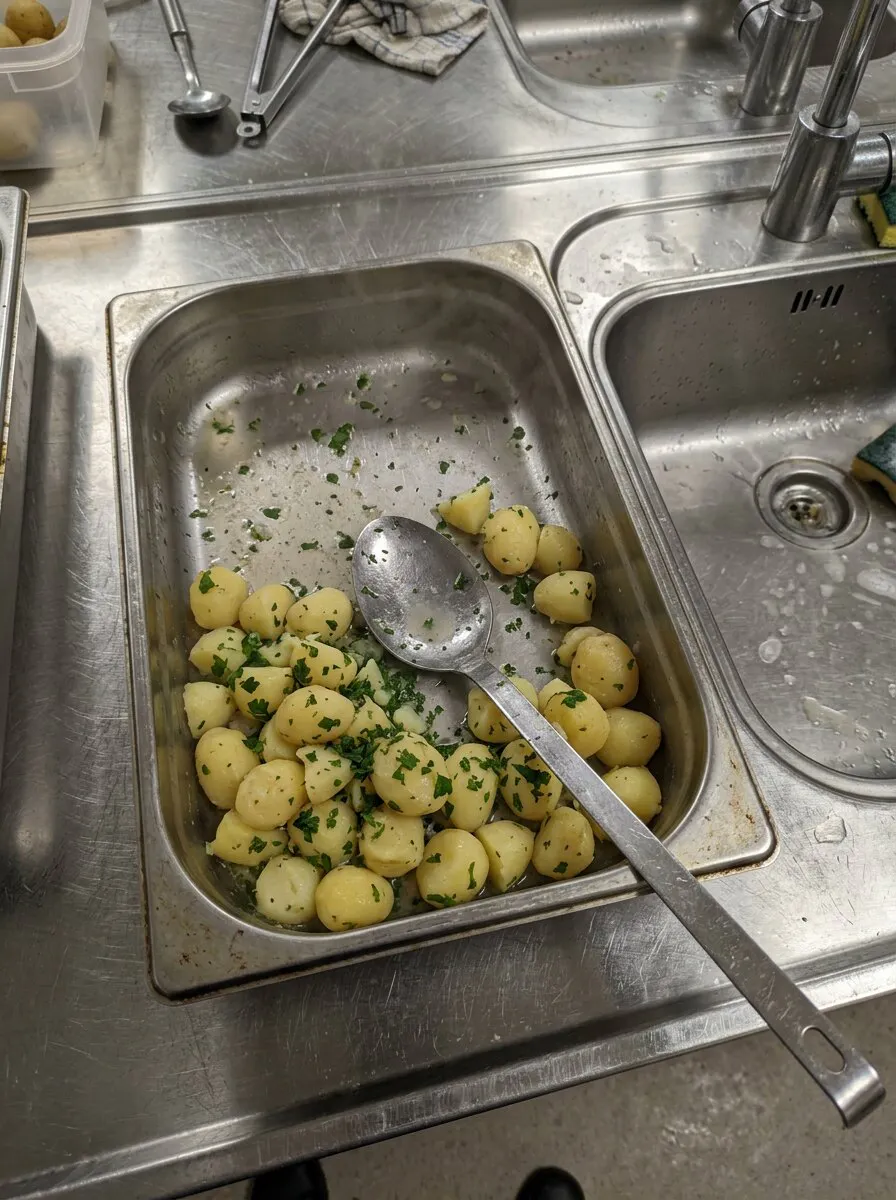
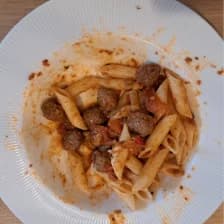
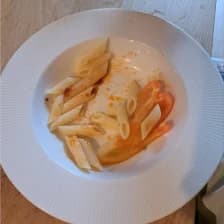
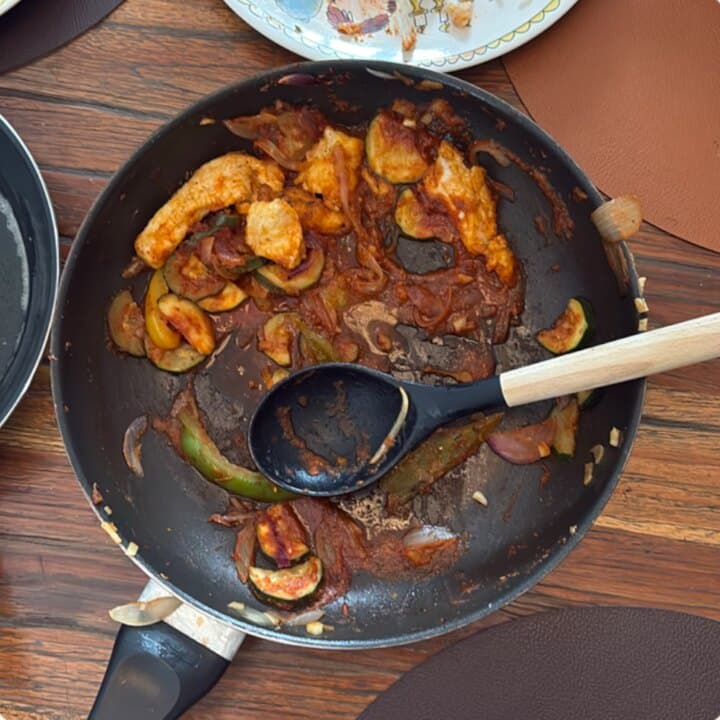
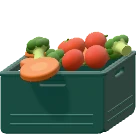
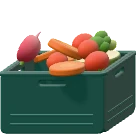
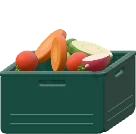
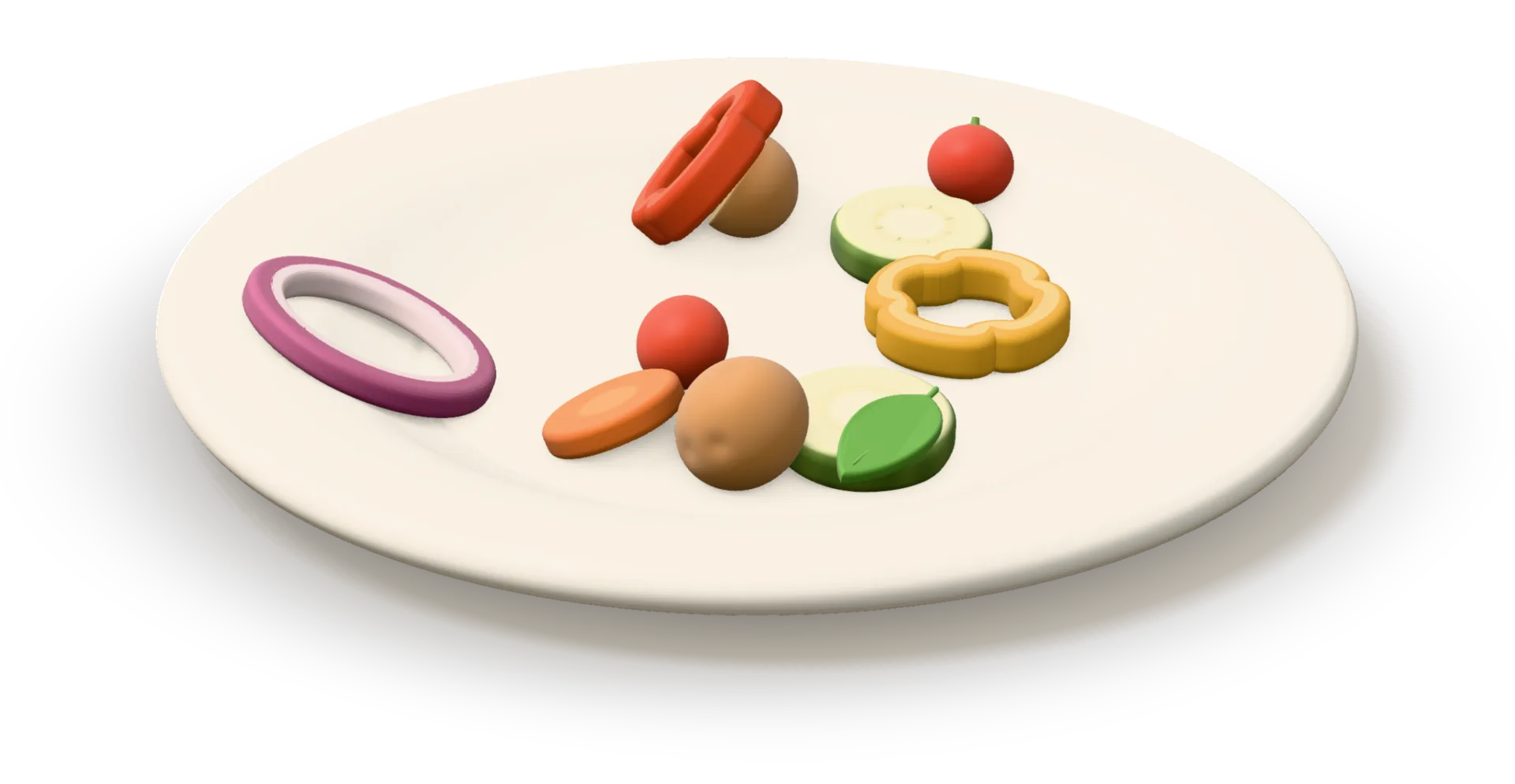
Photograph what you throw away: a plate, a pan or the peelings. The Waste Warrior AI recognizes the food and estimates how many grams of each ingredient go to waste.

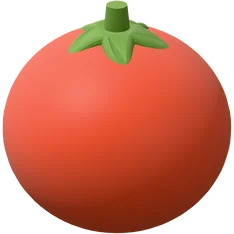
  • tomato: 30 g
  • pepper: 25 g
  • zucchini: 50 g
  • red onion: 15 g
  • potato: 60 g
  • Total: 180 g
  1. Photograph what you throw away

    Hold your phone above it and take the photo. That's all your staff need to do.

  2. The AI recognizes the food

    The AI estimates how many grams it is and which ingredients are in it. Something off? Correct it in the app.

  3. Every gram counts

    Every photo adds up per ingredient, dish, department and moment. Your dashboard fills itself.

Food waste costs more than you think.

Work it out for your own kitchen. Move the sliders and see how much food ends up in the trash each year.

Every year, that's €131,400 in the trash. Throw away 20% less? Then you keep €26,280 and save 9.9 tons of CO₂.

Every year, that's

€131,400

in the trash.

Throw away 20% less? Then you keep €26,280 and save 9.9 tons of CO2.

Plan a demo
How we calculate

€8 per kilo is our own conservative assumption. In hospitality the average is over €11 (Rabobank, 2023 figures). In Dutch hospitals about 40% of the food was wasted, mostly from the hot meal (WUR, 2016).

CO₂: on average about 3 kg CO₂e per kilo of wasted food (WRAP). Hotels that started measuring threw away 21% less on average in their first year (Champions 12.3).

This is an example calculation. Waste Warrior Monitor measures grams and percentages; euros and CO₂ are an estimate based on your numbers.

Everything you need to measure food waste.

From the photo on the kitchen floor to the figure for the board: one app and one dashboard.

On the floor

An app you use with one hand. Snap the photo(s) and get on with your day: the AI recognizes the ingredients automatically and estimates the grams.

  • Measured in seconds
  • Per meal, department or dish
  • A reminder to measure
  • Afterwards too, for another day
Dinner · 214 gDinner · 214 g
Soup · 120 gSoup · 120 g
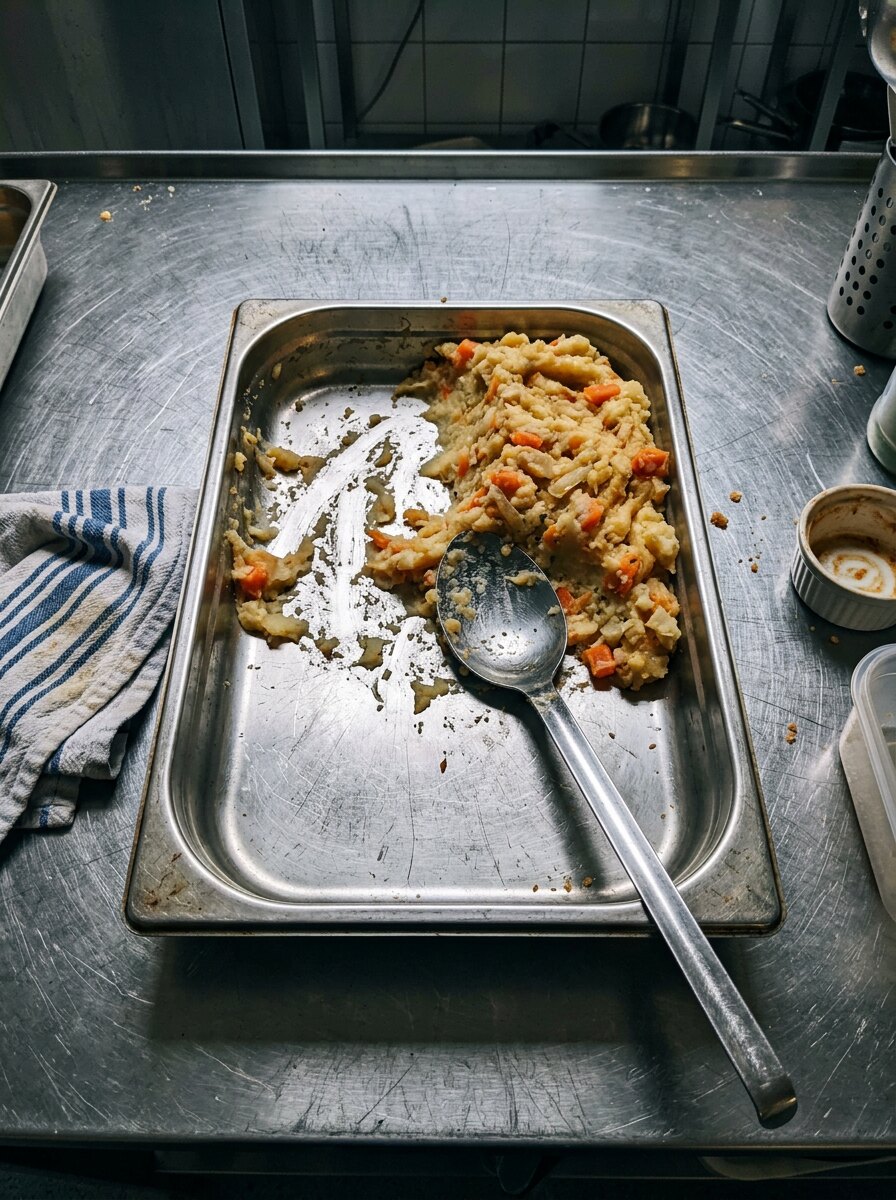
Pan · 1.4 kgPan · 1.4 kg

What the AI saw

Pan of hutspot

Dinner · Zwaluw care home · 17:52
  • potato820 g
  • carrot410 g
  • onion170 g

Total1.4 kg
In the gallery

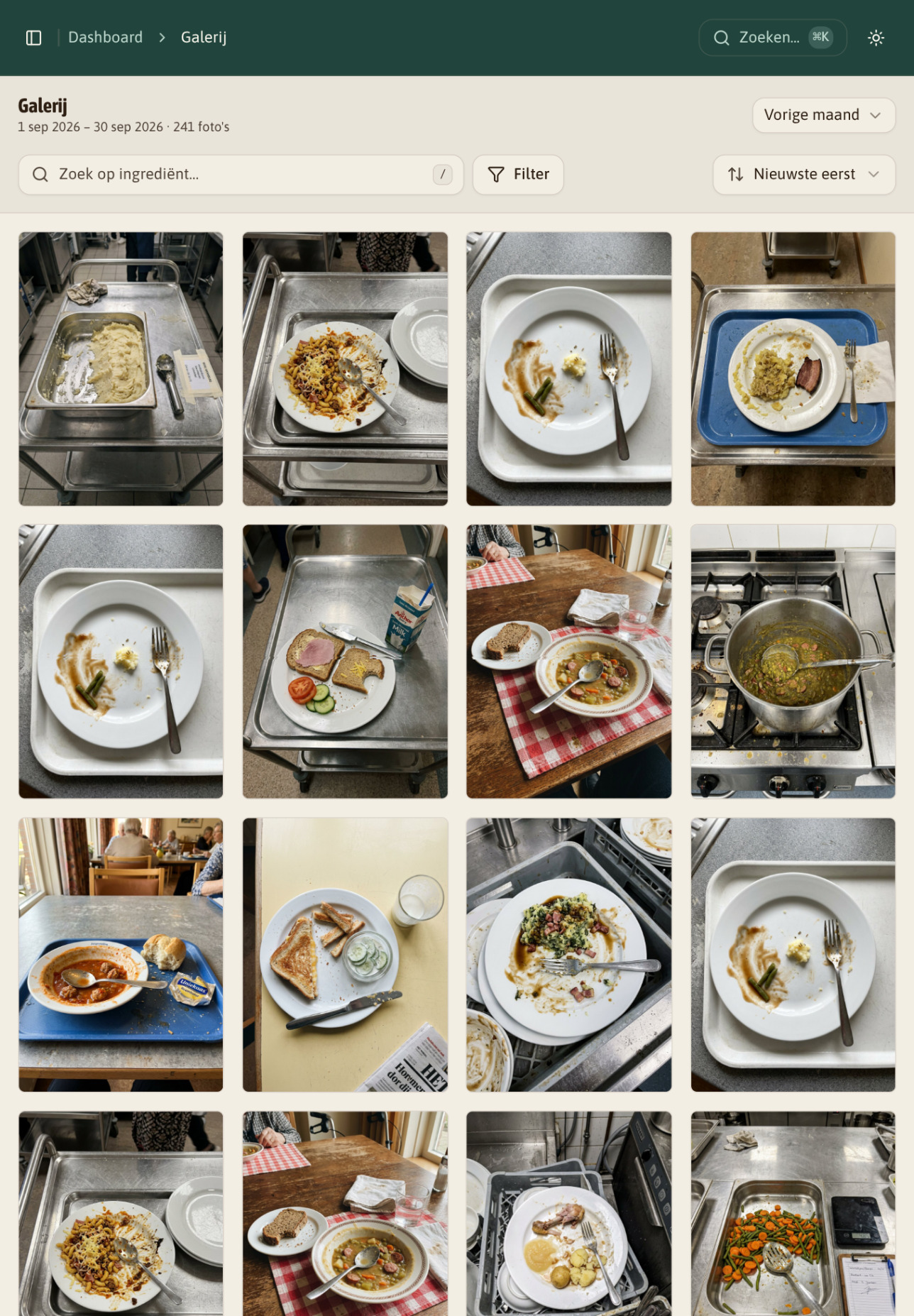
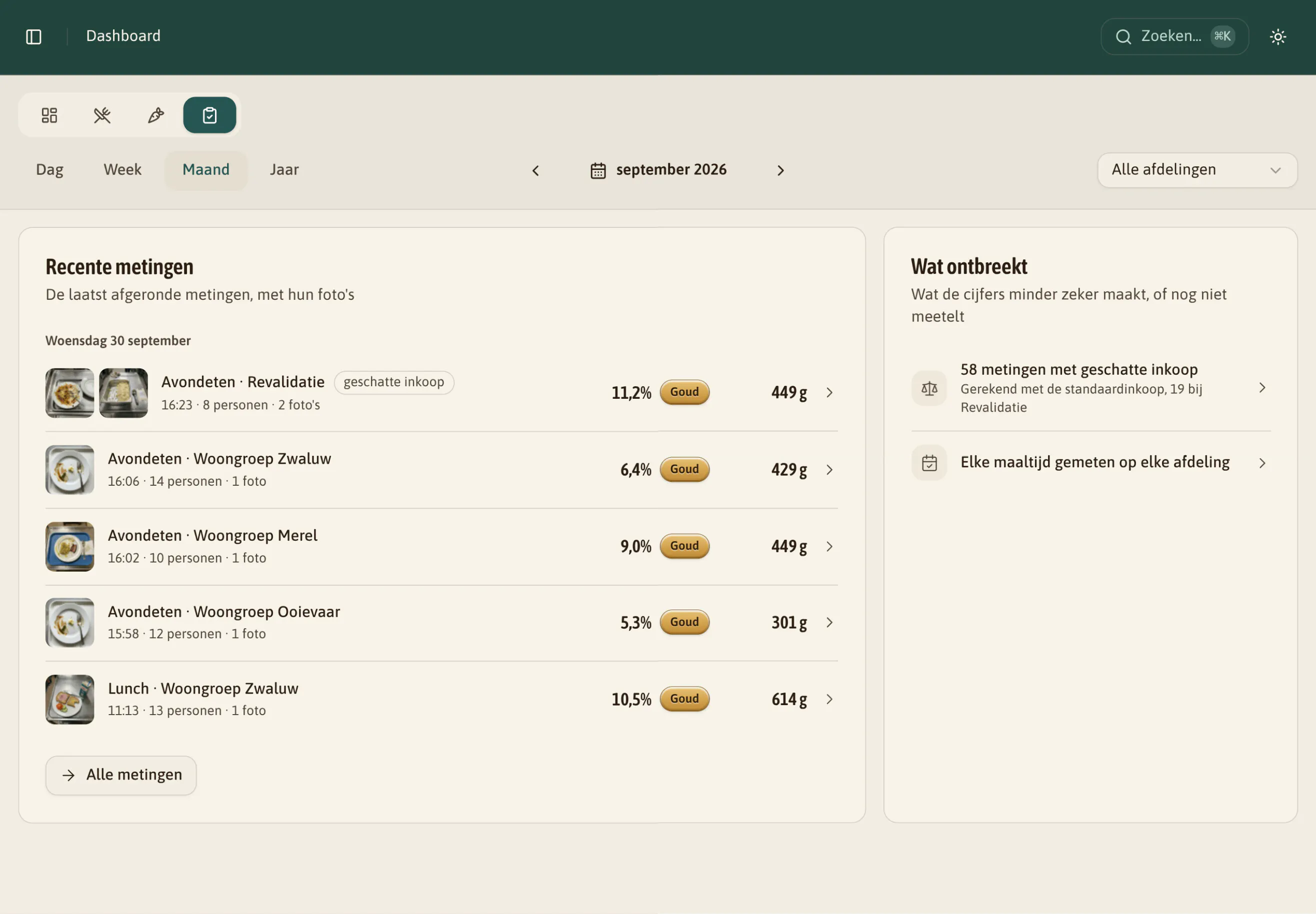
Every photo lands in the gallery, with the time and what was on it. Search by ingredient and see at a glance where the food goes.

  • Search by ingredient
  • Filter by period and department
The gallery: 241 photos of plates, pans and soup bowls in September.
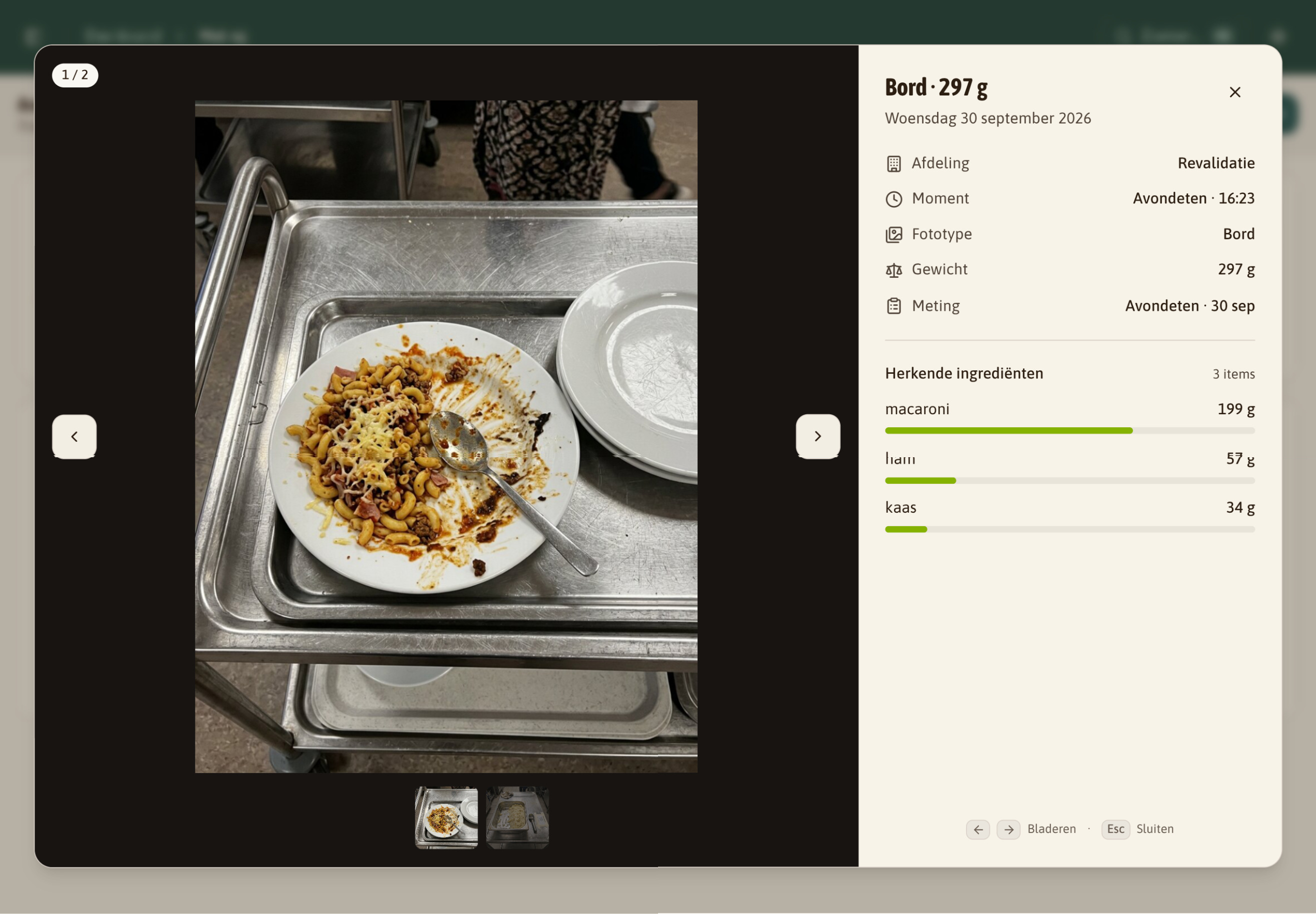
One photo open: a plate of macaroni on a trolley, 297 g, with the ingredients it recognized.

On the dashboard

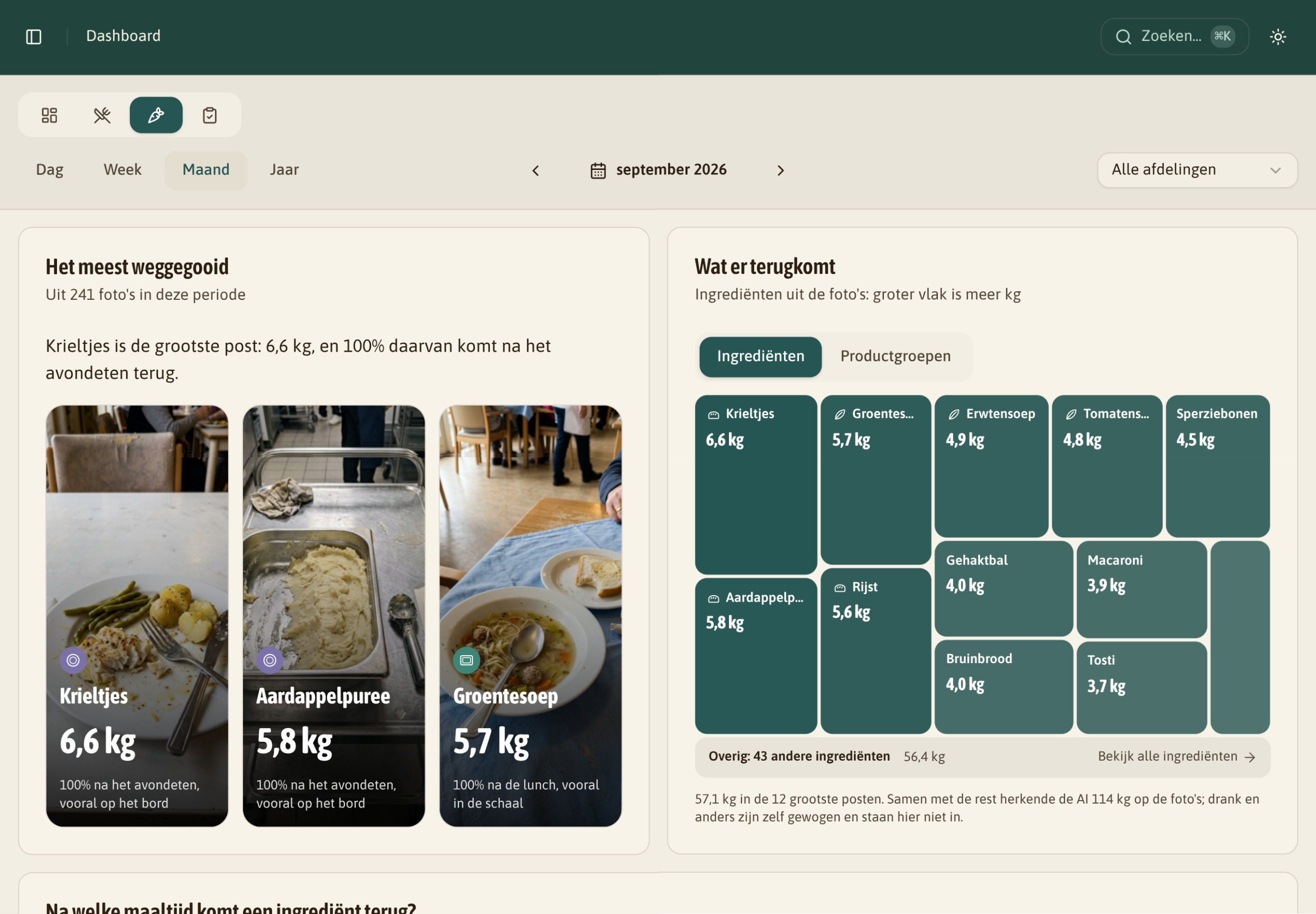
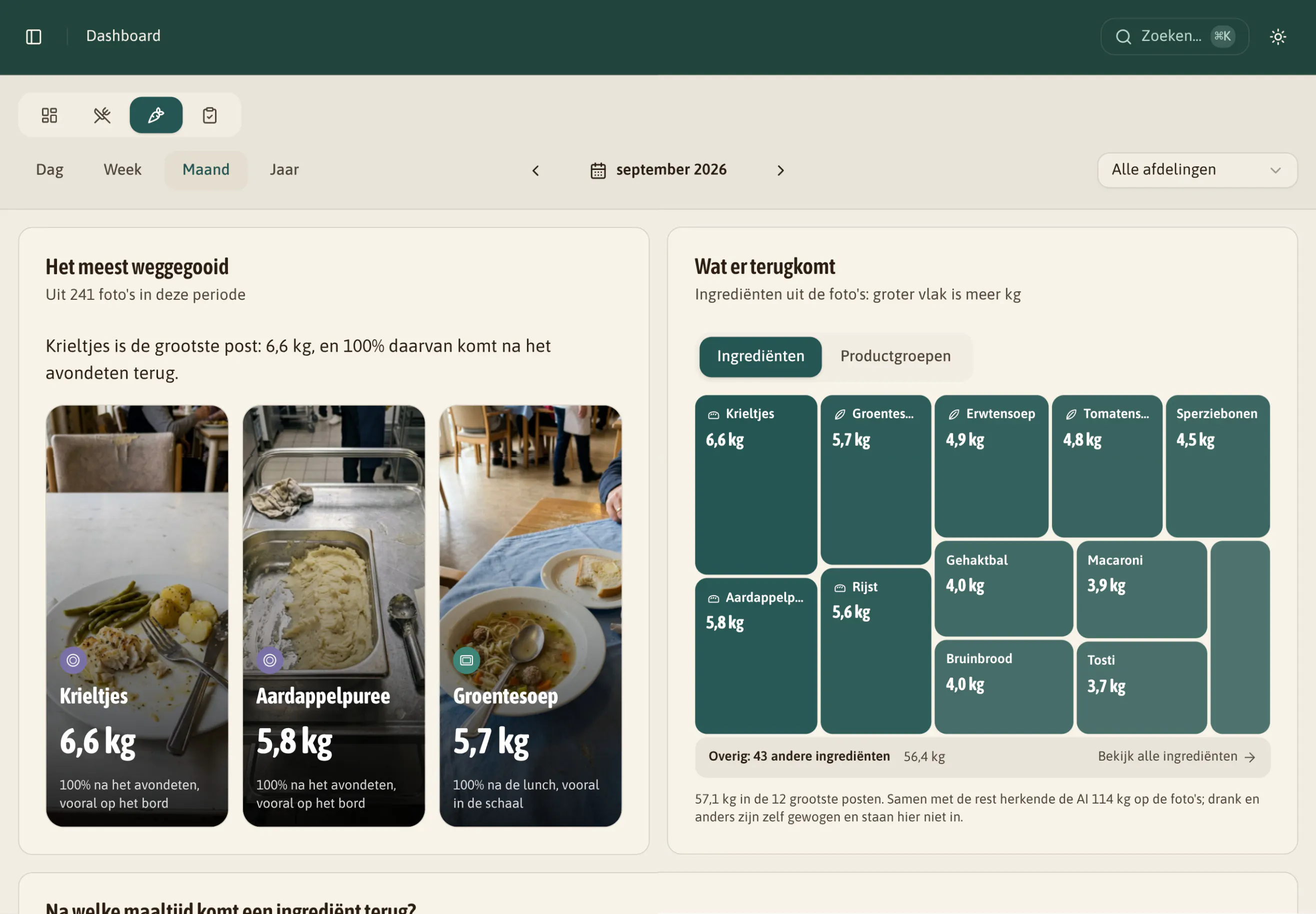
All your food waste in one place: per meal, department, day or ingredient, with the trend per week.

  • Healthcare: per department and meal moment
  • Hospitality: per dish, next to the daily weighing of the bin
The dashboard, ingredients: baby potatoes 6.6 kg, mashed potatoes 5.8 kg, vegetable soup 5.7 kg.
Share of purchases wasted: 12.3 %, Gold on the Milieuthermometer.

For the board

The share of your purchases that goes to waste, as an indicator for the Dutch Milieuthermometer Zorg. Everyone logs in with a code by e-mail and only sees what their role needs.

  • Roles per organization and location
  • Useful in internal audits
The overview on a tablet: Gold, 12.3 % of purchases thrown away, and the trend since April.

Milieuthermometer Zorg

From Bronze to Gold

  1. Bronze21.8%Apr
  2. Bronze21.1%May
  3. Bronze20.4%Jun
  4. Silver19.3%Jul
  5. Silver17.8%Aug
  6. Gold12.3%Sep
  7. Gold8.8%Oct

Seen and
tested.

Trade magazines wrote about our pilots, and your data is secured to healthcare standards.

All articles

  • NEN-7510information security in healthcare
  • NIS2cybersecurity act
  • EUdata and image recognition

Questions from
the kitchen.

Accurate enough to steer by. The AI recognizes the ingredients and estimates the grams against fixed reference sizes, like a plate or a serving spoon, and built-in checks catch unlikely results. A single plate can be a little off, but across all your measurements you reliably see where the food goes.

Snap the photo(s) and get on with your day: measuring takes seconds, right after the meal or the kitchen work. There's no paperwork afterwards, and the app reminds you.

Yes. In healthcare you photograph the plates, serving dishes and pans with food left in them, and see the waste per department and meal moment, with the Dutch Milieuthermometer Zorg as the benchmark. In restaurants you photograph kitchen, fridge and plate waste and weigh the bin once a day, so you see per dish and per day where food is lost.

Your data is stored within the EU and staff only see what their role needs. The image recognition runs on servers in the EU too.

Yes. We start with a pilot at one location and only expand after a joint evaluation.

All questions

Do your numbers add up?

You worked it out above. In a demo we check it together, with the numbers from your own kitchen. Then you start small, with a pilot at one location.

Your kitchen, per year

300 meals × 365 days
109,500
× 150 g into the bin
16,425 kg
× €8 per kilo

In the bin€131,400

20% less waste: €26,280 saved